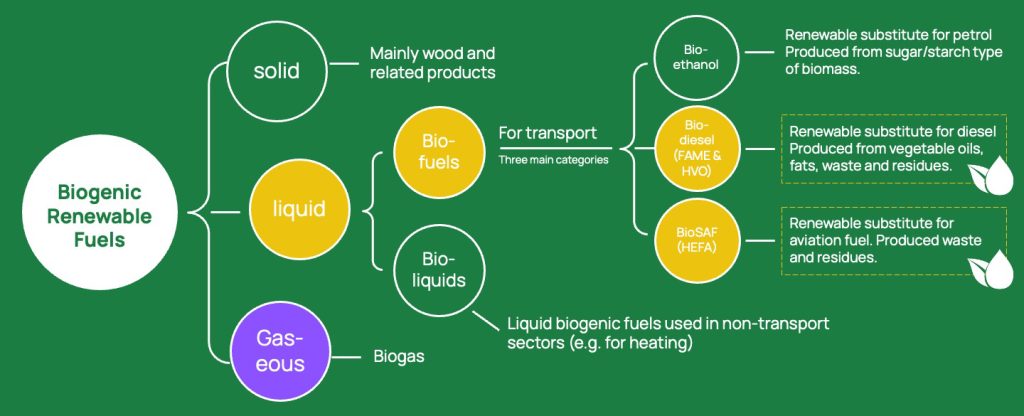
As the EU transitions toward a climate-neutral economy, renewable fuels are playing a vital role in decarbonising the transport sector. Using sustainable feedstocks, ranging from vegetable oil and used cooking oils to animal fats and other wastes and residues, we can significantly reduce the EU’s reliance on imported fossil fuels while supporting our local agriculture sector.
At the forefront of this transition are FAME, HVO, and HEFA as ready-to use solutions. While they all serve the same ultimate goal, they are produced through distinct processes and following different specifications for engine performance and compatibility.

EBB represents bio-based diesel (FAME & HVO) and bioSAF (HEFA) producers in the EU
EBB unites 34 members across 21 countries, representing roughly 65% of FAME, HVO, and HEFA in the EU. Sustainable fuels continue to decarbonise our transport sector and help secure Europe’s energy independence.
Statistics about biofuels in the EU
Statistical Report 2025-2026 (June 2026)
Statistical Report 2024-2025 (July 2025)
Statistical Report 2022-2023 (June 2023)
FAME (Fatty Acid Methyl Ester)
Commonly known as biodiesel, FAME is produced via a process called biomass esterification. During this process, fats are broken down and reacted with methanol.
The product: A fuel that is similar to fossil diesel but contains higher oxygen content, which aids in cleaner combustion.
Compatibility: FAME complies with the strict European quality standard EN14214. It is fully compatible with existing transport fuel distribution systems and can be used in blends (such as B7 and B10) or as a pure biodiesel (B100) in approved engines.

x
HVO (Hydrotreated Vegetable Oil)
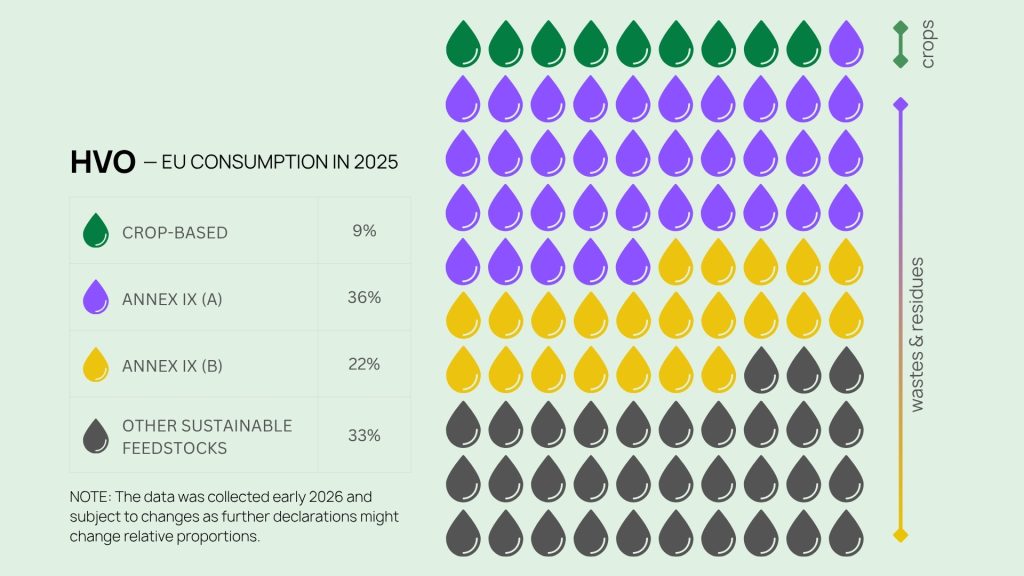
Sometimes referred to as renewable diesel, HVO is a fuel produced via hydro-processing, a method that treats oils and fats with hydrogen.
The product: A fuel that is chemically indistinguishable from conventional, petroleum-based diesel.
Compatibility: This “drop-in” fuel, they can be used in existing diesel engines without any modifications. It can be used in pure form, or blended.
HEFA (Hydroprocessed Esters and Fatty Acids)
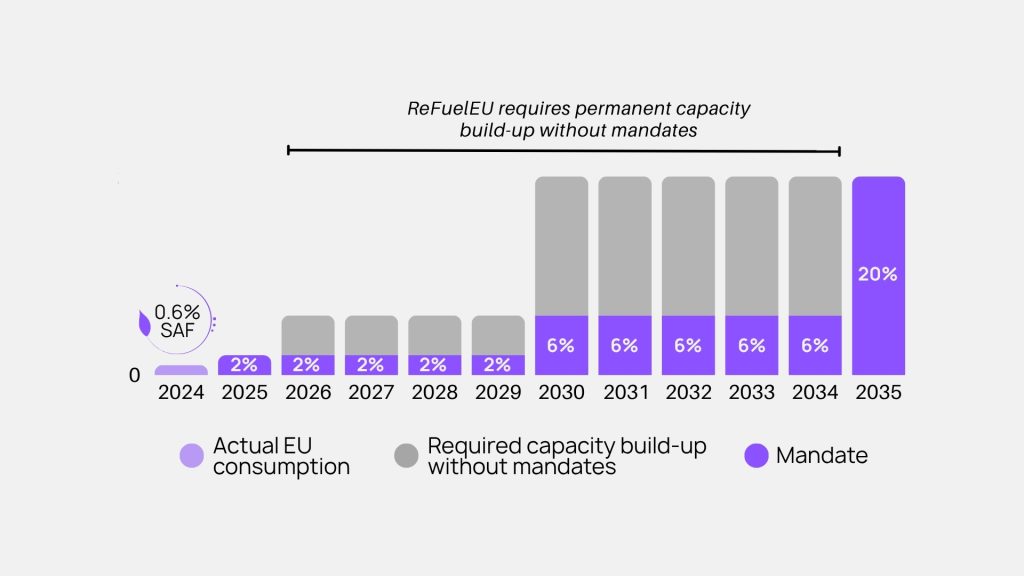
While often grouped with HVO due to the similar hydro-processing technology, the HEFA pathway is widely recognised as the leading technology for the production Sustainable Aviation Fuel (SAF).
The product: A fuel that is chemically indistinguishable from conventional, petroleum-based kerosene.
Compatibility: This “drop-in” fuel, they can be used in existing plane engines without any modifications. It can be used in pure form, or blended.
Feedstocks

Processing agricultural commodities for bio-based diesel also generates high-value, non-competing co-products – such as protein-rich animal feed – that are essential to the EU’s agri-food chain.
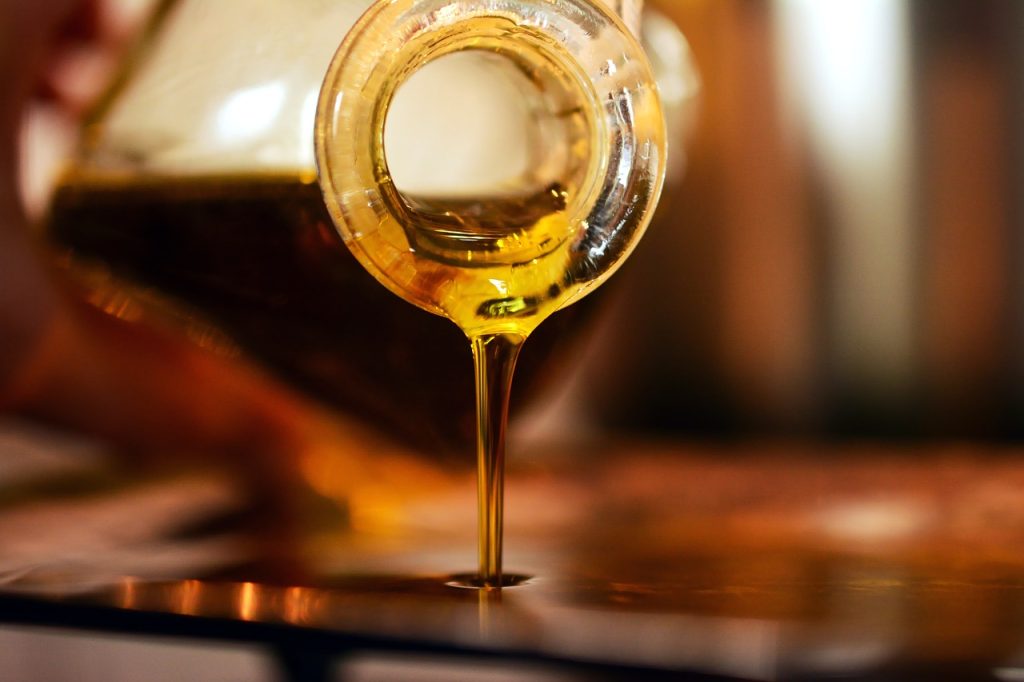
Waste-based biofuels transform discarded materials into high-value energy, turning wastes like used cooking oil and animal fats into feedstocks.
Other types of biofuels