
Learn more about our industry
Representing bio-based diesel and aviation fuel producers in the EU
EBB unites 34 members across 21 countries, representing roughly 65% of bio-based diesel (FAME & HVO) and bio-based aviation fuel (HEFA/BioSAF) in the EU. Sustainable fuels, including biofuels, continue to decarbonise our transport sector and help secure Europe’s energy independence.
Emission reduction
Biofuels offer a substantial decrease in GHG emissions compared to fossil fuels, playing a vital role in meeting climate targets.
Energy security
Biofuels help reduce dependence on imported crude oil and insulates the EU from volatile global energy markets.
Direct decarbonisation
Biofuels can be used in existing engines, without requiring costly modifications to vehicles or infrastructure.
Bioeconomy
First-generation biodiesel strengthens food and feed security while driving the circular bioeconomy and producing several co-products alongside renewable energy.
Waste valorisation
Bio-based diesel and bioSAF production utilises residues and wastes like used cooking oil and animal fats, turning waste streams into valuable energy resources.
Economic growth
The renewable fuels sector supports regional and local jobs in the EU across agriculture, refining, and research, stimulating local rural economies and incentivising innovation.
All transport modes
The EBB supports the deployment of sustainable biofuels across all transport modes, advocating for their essential role in decarbonising the road, maritime and aviation sectors.
Road uses 74% of the energy in EU transport
Decarbonising (heavy-duty) road transport using biodiesel (FAME & HVO) offers a pragmatic and immediate pathway to reducing the sector’s significant carbon footprint. Biodiesel can be use in existing diesel engines and current refueling infrastructure, allowing for implementation without switching drive trains.


Aviation uses 12% of the energy in EU transport
Bio-based Sustainable Aviation Fuel (HEFA), reduces operational emissions, compared to kerosene. BioSAF is available, scalable and works with current engines and infrastructure, offering an immediate pathway to achieve net-zero targets in this hard-to-abate sector.
Maritime uses 12% of the energy in EU transport
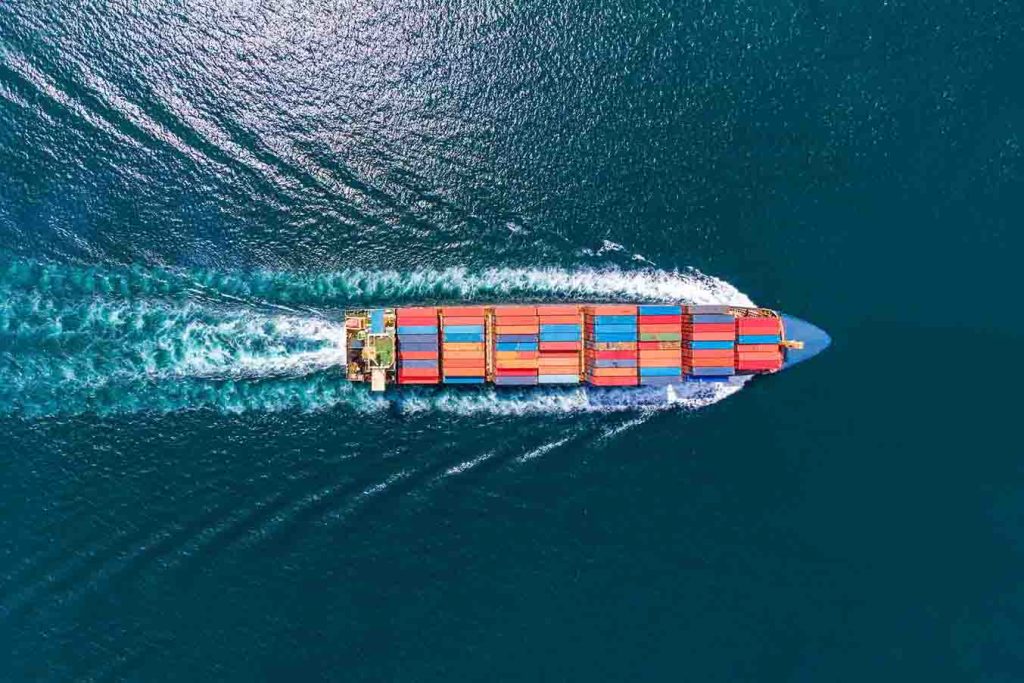
Decarbonising seagoing vessels and inland shipping through the adoption of biodiesel offers a ready-to-use solution, significantly reducing the sector’s carbon footprint. Existing vessel engines and port infrastructure can be used, often without any modifications. By replacing conventional heavy fuel oils with sustainable biodiesel, operators can substantially lower their net lifecycle greenhouse gas emissions.
EBB members